
Young people aged between 16-24 are the most likely to believe in contemporary legends, conspiracy theories and the supernatural, according to the latest results from the National Folklore Survey for England.
The survey gave respondents a list of contemporary legends and asked them first whether they had heard of the story and secondly, whether they believed it.
Out of the contemporary legends given, a third of all people surveyed said they believe that Princess Diana was killed as a result of a conspiracy, which equates to around 13.5 million people in England.
Unexpectedly, almost half of people aged between 16-24 said that they believe in this conspiracy despite the fact that they would not have been born when Princess Diana died in 1997, compared to only 27% of those aged between 55 and 75.

Kensington Palace, where Princess Diana lived during her short life. Photograph courtesy of Pexels and Asta Leung.
The legend that reported the second highest belief rate is that pins, needles and razor blades have been found in trick-or-treat food and sweets at Halloween, a legend that continues to resurface each October despite being long discredited by folklorists. This also saw higher belief rates in younger respondents, with approximately 22% of people aged between 16 and 34 citing a belief in this story.
Dr Sophie Parkes-Nield, Postdoctoral Researcher on the National Folklore Survey for England, said: ‘Contemporary legends tend to reflect current anxieties of a society; we don’t like the thought of our cherished public figures dying in tragic circumstances, or our children at risk in the dark winter months. Sometimes our contemporary legends warn us of danger – in these cases, trusting our authorities and our neighbours without question.
‘These results follow the trend in some of our other findings about belief in “alternative”, “unexplained”, or “spooky” things; namely, that the younger end of the spectrum is more likely to believe. What our research doesn’t tell us is whether this is typical, and people tend to become more sceptical as they age, or whether our current crop of younger people in England is particularly enchanted by legends and the supernatural.’
Other urban legends in the survey included:
A story known as the ‘phantom hitchhiker’, prevalent in many cultures, whereby a motorist once delivered a hitch-hiker to their home only to discover it was the ghost of a person who had died years earlier, believed by 7% of Survey respondents
The government is hiding a fleet of steam locomotives in underground chambers for use in a nuclear winter, believed by 5% of Survey respondents .
A painting known as ‘The Crying Boy’ often turns up in burning buildings but is always untouched by the flames, (4%)
The Covid 19 virus was spread by 5G mobile phone masts (3%).
On the whole, the National Folklore Survey for England discovered that the older the respondent, the less likely they were to report a belief in any of the legends offered. Around half of those aged between 45 and 75 said they did not believe in any of the legends presented, but for those aged 16-34 the number of non-believers dropped to around 25%.
The Survey also examined other theories relating to legends found in England including:
If the ravens at the Tower of London ever leave, the monarchy and the country will be destroyed
Certain places in the landscape are occupied by spirits, djinns or supernatural presences
Straight lines of energy, called Ley Lines, link ancient places together in the landscape
Big cats, not native to Britain today, roam wild and undetected
If you look in a mirror and chant the name Bloody Mary an apparition will appear
The most believed of these concepts is that there are non-native big cats roaming wild in Britain, with 33.5% of all participants citing they tend to believe or have a strong belief in this idea. Men (36%) were more likely to cite a belief in this idea than women (31%).
Perhaps unsurprisingly, given the legacy of the Beast of Bodmin legend, people resident in the South West of England were more likely to report a belief in big cats roaming free in Britain (40%).
The next most believed ideas were that there are ley lines which link ancient places together (31%) and that people have the ability to use their senses to detect water, minerals and hidden treasures (29%) .
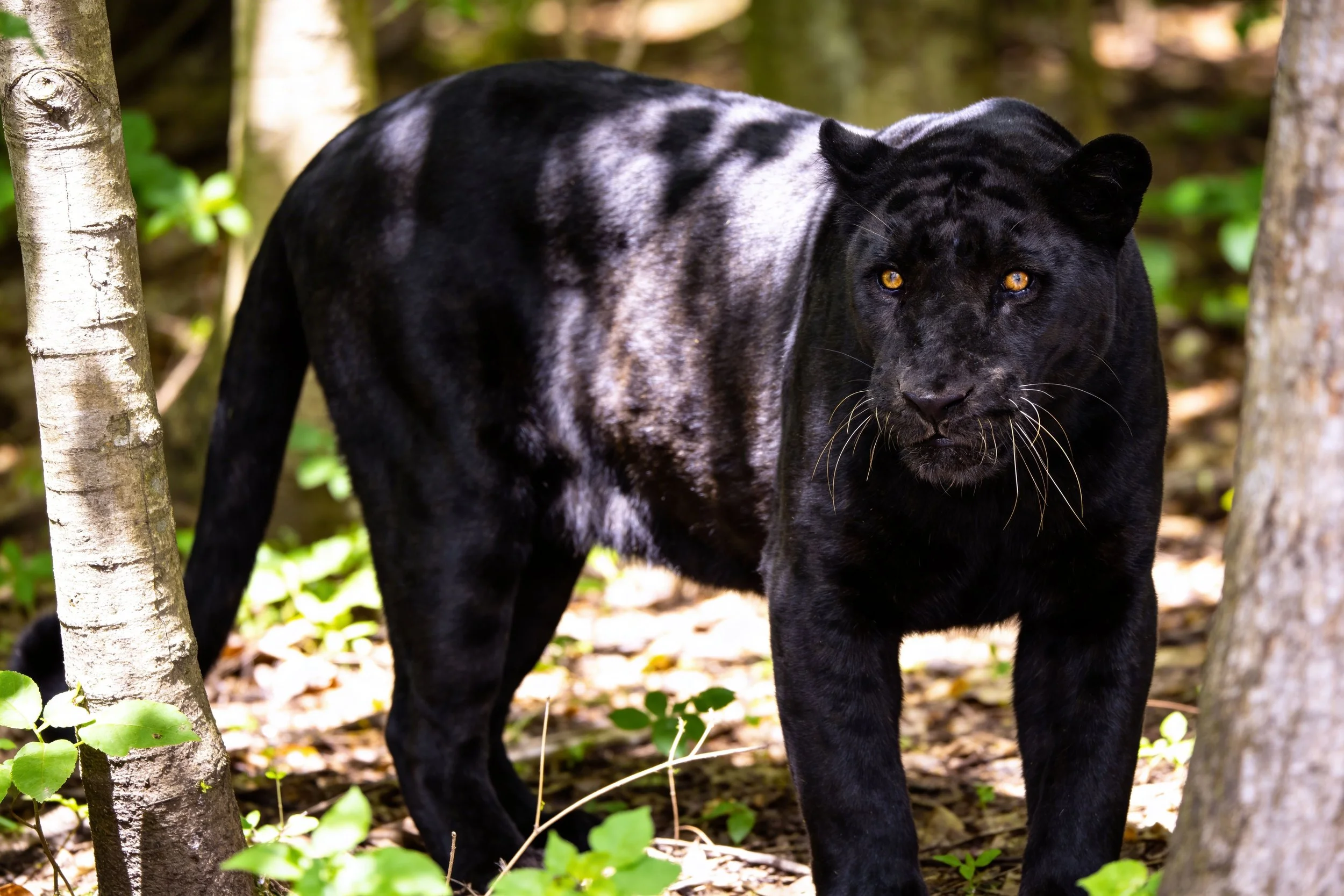
Do you think big cats roam free in the British countryside? Image courtesy of Pexels and Y Glymmes.
People living in England today are most sceptical about Bloody Mary and her appearance in mirrors (69% reported they strongly or tended to disbelieve this idea), followed by the Loch Ness Monster (57%) and disaster should the ravens leave the Tower of London (55%).
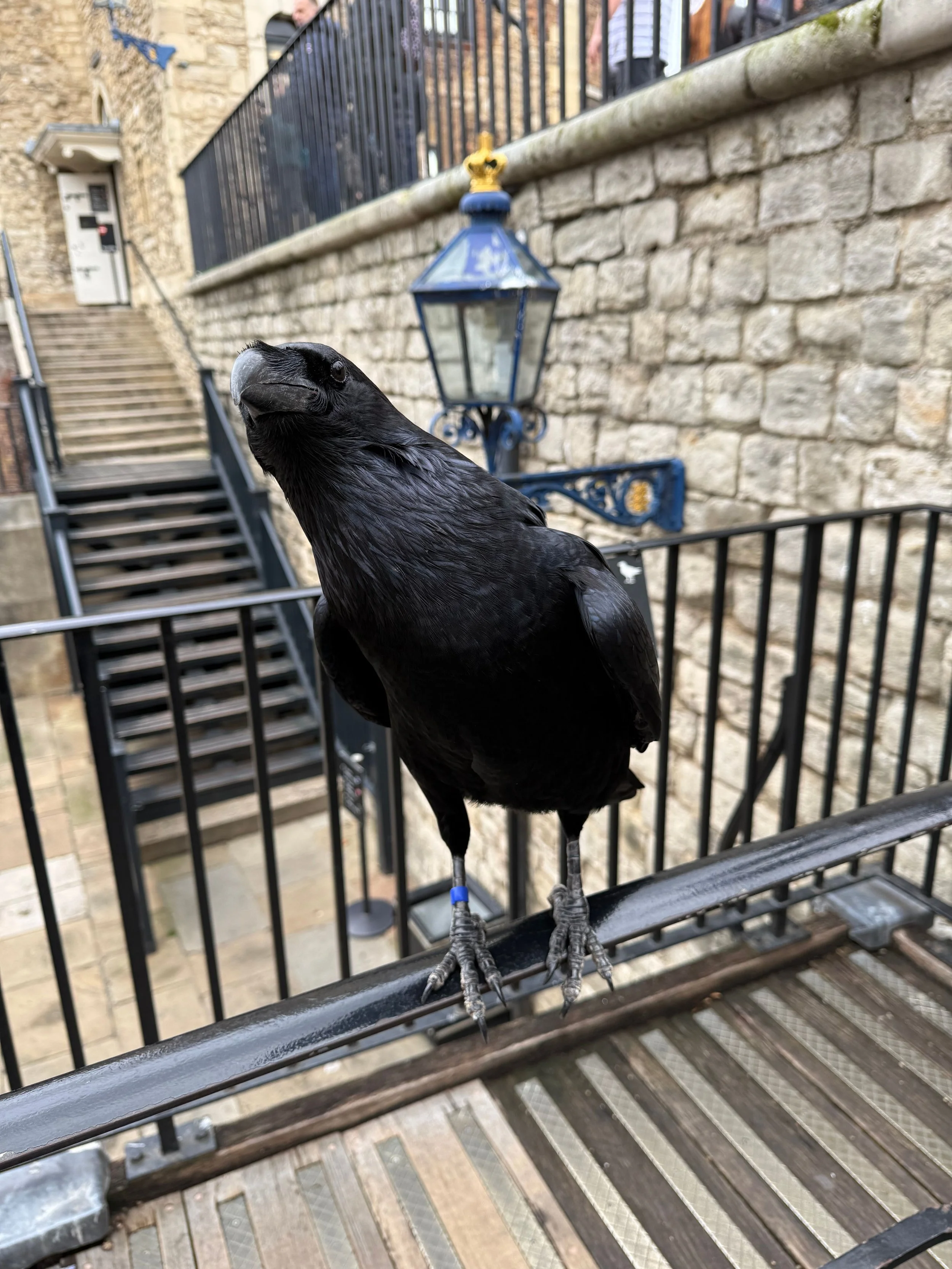
A raven at the staircase of the Tower of London. If they leave, so the legend goes, the monarchy will fall and the country will be destroyed. Image courtesy of Pexels and Intaly Karlheim.
Again, the older the respondent, the less likely they were to report a belief in one of these concepts.